Understanding the Different Types of Water Filters: Choosing the Best for Your Needs Apr 06, 2026
Understanding the basics of water filtration is the first step in selecting the right system. Water filters work by removing impurities and contaminants, ranging from sediments and chlorine to bacteria and heavy metals. Today, a variety of filters cater to specific needs, and understanding how each works can help you make an informed decision.
The most common type is the activated carbon filter. These filters are popular due to their efficiency and cost-effectiveness. Activated carbon effectively removes chlorine, volatile organic compounds (VOCs), and unpleasant odors from tap water. This makes it a great choice for improving the taste and safety of drinking water. However, it's less effective against minerals, making it unsuitable for addressing hard water issues.
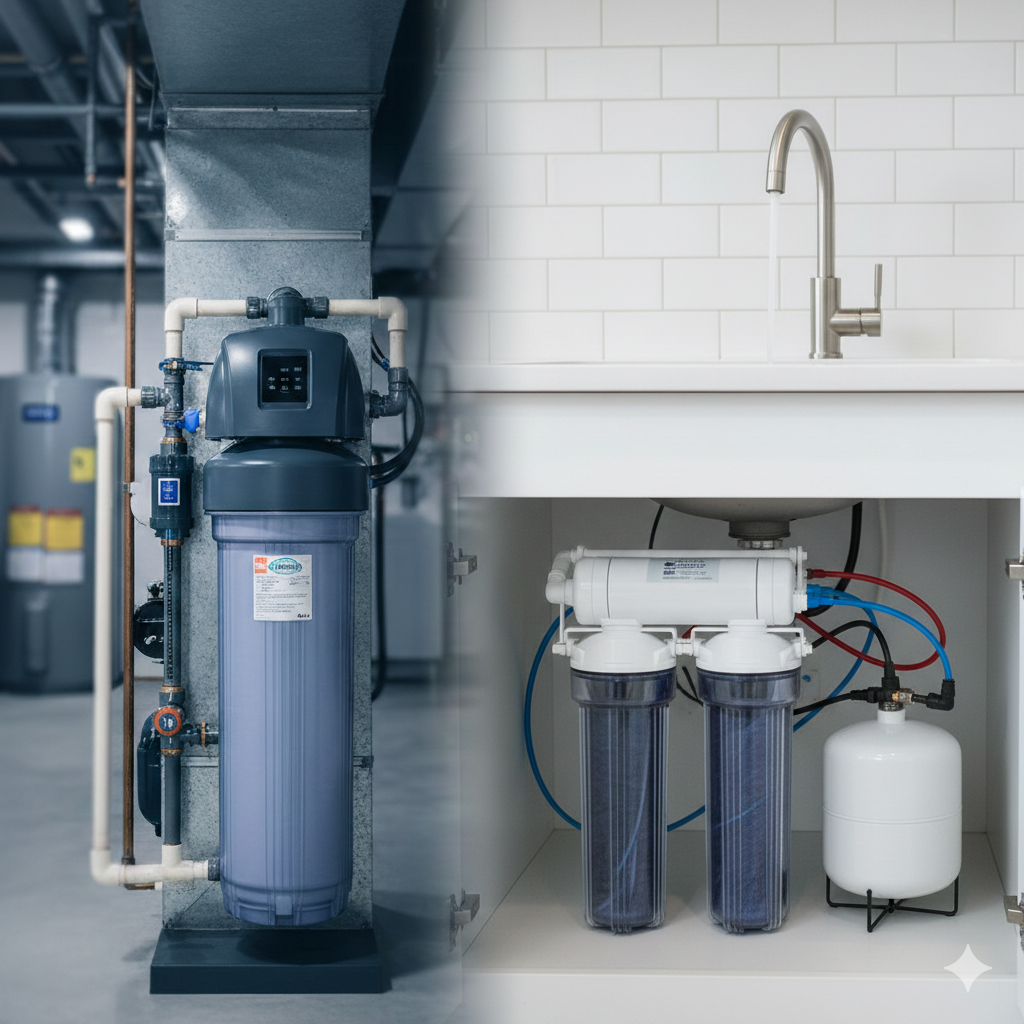
For those dealing with hard water, a reverse osmosis system might be the answer. This comprehensive filtration method uses a semipermeable membrane to remove up to 99% of contaminants, including dissolved salts, lead, and arsenic. Reverse osmosis systems are frequently chosen for their ability to significantly purify water, although they can be more expensive and produce wastewater during the filtration process.
If bacteria and pathogens are your main concern, UV filters provide a chemical-free option that uses ultraviolet light. This type of filter is highly effective at killing microorganisms, making it ideal for ensuring microbiologically safe water. It's important to note that UV filters should be paired with other systems, like mechanical or carbon filters, to handle non-organic contaminants.
For those seeking a balance between effectiveness and affordability, ceramic water filters offer another viable option. These filters use small pores to remove bacteria and parasites while allowing vital minerals to pass through. Ceramic filters are widely used in remote areas where pathogen removal is a priority. However, regular cleaning and maintenance are required to maintain their efficacy.
When selecting a water filter, consider factors such as water quality in your area, your budget, and specific health concerns. For instance, if you live in an area with common boil water advisories or have concerns about lead contamination, investing in a robust solution like a reverse osmosis system might be worthwhile.
For optimal results, consulting with a professional water treatment service like Pure Water Filtration can provide valuable insights. They can conduct water tests and recommend targeted solutions, ensuring you receive the most effective filtration system tailored to your specific needs.
In conclusion, choosing the right water filter involves understanding your water quality and specific filtration needs. Whether it's an activated carbon filter for better taste or a reverse osmosis system for comprehensive purification, each type serves a unique purpose. By equipping yourself with this knowledge and seeking expert advice, you can ensure your water is as pure and healthy as possible, safeguarding your well-being for years to come.
/filters:no_upscale()/filters:format(webp)/media/1555d59b-2e6f-4775-b405-f480dc1897b9.png)