Understanding the Different Types of Water Filtration Technologies Apr 19, 2026
Water filtration technologies are designed to remove impurities and contaminants from water to ensure its safety and suitability for drinking and industrial use. There are several methods available, each serving distinct purposes and offering varying levels of filtration.
One of the most common types is activated carbon filtration. This method effectively removes chlorine, sediment, volatile organic compounds (VOCs), and improves the taste and smell of water. Activated carbon filters use the chemical adsorption process, where contaminants adhere to the surface of the carbon particles, thus purifying the water. These filters are ideal for residential use and are commonly found in countertop and under-sink filtration systems.
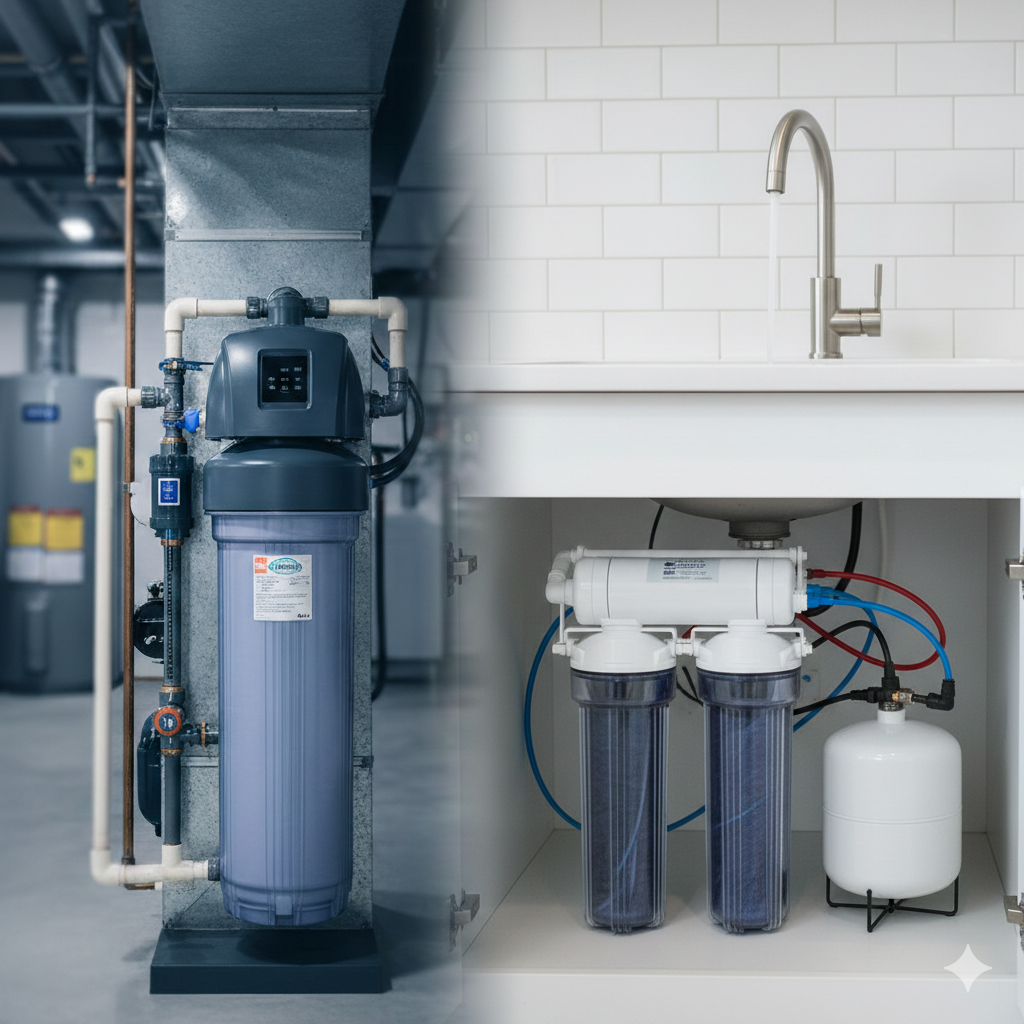
Reverse osmosis (RO) is another powerful technology widely used in water filtration. It operates by forcing water through a semi-permeable membrane that blocks contaminants such as lead, nitrates, and fluoride. Reverse osmosis systems are highly effective, producing purified water by removing up to 99% of dissolved solids. They are favored in both residential and commercial settings for their thorough purification capabilities.
For those interested in the economic and efficient removal of heavy metals like iron and manganese, ion exchange is a fantastic choice. This technology works by exchanging ions in the water with ions attached to a resin. Commonly used in water softening, ion exchange is excellent for reducing scale buildup and prolonging the lifespan of pipes and appliances.
Ultraviolet (UV) disinfection is another important water treatment technology. This method uses ultraviolet light to deactivate harmful microbes such as bacteria, viruses, and cysts in the water. Although UV disinfection does not physically remove contaminants, it effectively sterilizes water, making it safe to consume. This technology is often used in conjunction with other filtration systems to provide an additional layer of protection.
Ceramic filtration is noteworthy for its simplicity and effectiveness in removing bacteria and protozoa. The small pore size of ceramic filters allows them to trap microorganisms, providing a natural and reliable method of filtration. These filters are a great option for those seeking cost-effective and environmentally friendly solutions.
For businesses and industries requiring large volumes of purified water, distillation is a reliable choice. This method involves boiling water and then condensing the steam back into a liquid to separate impurities. Distillation is highly effective but requires significant energy, making it more suitable for industrial applications where water purity is critical.
In conclusion, choosing the right water filtration technology depends on your specific needs and the contaminants present in your water supply. Each method has its unique advantages and is suitable for different applications. Pure Water Filtration is here to guide you in selecting the perfect solution to ensure your water is clean and safe. By understanding these technologies, you can make informed decisions that promote health and peace of mind. Reach out to Pure Water Filtration today to explore the best options for your water purification needs.
/filters:no_upscale()/filters:format(webp)/media/1555d59b-2e6f-4775-b405-f480dc1897b9.png)